
How SSL Certificates Work in Modern Web Security
Understanding how ssl certificates work is crucial for anyone managing a website today. In an era where data breaches are common, security is no longer optional. However, many people find the technical details of encryption quite confusing. This guide will break down the process into simple steps to help you understand the mechanics behind the green padlock.
Basically, an SSL certificate acts as a digital passport. It provides authentication for a website and enables an encrypted connection. Consequently, this prevents hackers from reading or modifying information transferred between two systems. Therefore, whether you run a small blog or a large e-commerce site, security starts here.
What Exactly is an SSL Certificate?
SSL stands for Secure Sockets Layer. It is a standard technology for keeping an internet connection secure. Furthermore, it safeguards any sensitive data that is being sent between two systems. These systems can be a server and a client, such as a shopping website and a browser. It uses mathematical algorithms to scramble data in transit.
When you visit a site, your browser checks for this certificate. If the certificate is valid, you see a padlock icon. This small icon gives users peace of mind. Without it, browsers like Google Chrome will mark your site as “Not Secure.” This warning can significantly hurt your traffic and reputation. For reliable protection, many businesses look for high-quality ssl UK services to secure their domains.
The Fundamental Mechanism: How SSL Certificates Work
To understand how ssl certificates work, we must look at the “SSL Handshake.” This is a series of communications between the browser and the server. It happens in a matter of milliseconds. First, the browser connects to an SSL-secured website. This is the initial greeting phase.
Second, the server sends a copy of its SSL certificate. This certificate includes the server’s public key. The browser then checks the certificate root against a list of trusted Certificate Authorities. If the browser trusts the certificate, it creates a symmetric session key. Consequently, both parties now have a private way to communicate. This process ensures that no third party can eavesdrop on the conversation.
Asymmetric vs. Symmetric Encryption
The magic of SSL lies in two types of encryption. Initially, the handshake uses asymmetric encryption. This involves two different keys: a public key and a private key. The public key is known to everyone, but the private key is kept secret by the server. This setup is highly secure but computationally expensive.
However, once the connection is established, the systems switch to symmetric encryption. In this mode, both the browser and the server use the same key to encrypt and decrypt data. This method is much faster for ongoing data transfer. For a deeper technical dive into the mathematics involved, you can read more about Transport Layer Security on Wikipedia. By combining these two methods, SSL provides both high security and high performance.
Why Your Business Needs SSL Certificates UK
In the United Kingdom, data privacy laws are very strict. Companies must comply with GDPR standards to protect user data. Using SSL certificates UK based providers recommend is the first step toward compliance. It shows your customers that you value their privacy and safety.
Moreover, search engines prioritize secure websites. Google has explicitly stated that HTTPS is a ranking signal. Therefore, an SSL certificate can help improve your SEO performance. If your competitors have secure sites and you do not, they will likely outrank you. Investing in security is essentially an investment in your digital marketing strategy.
The Importance of Authentication
Security is not just about encryption. It is also about identity. When a Certificate Authority (CA) issues an SSL certificate, they verify the owner of the website. This verification prevents “man-in-the-middle” attacks where a hacker pretends to be your bank or your favorite store.
There are different levels of validation available. Domain Validation (DV) is the most basic. Organization Validation (OV) provides more trust by checking the legal entity. Finally, Extended Validation (EV) offers the highest level of trust. Usually, large financial institutions use EV certificates to display their company name in the browser interface.
Maintaining Your SSL Certificate
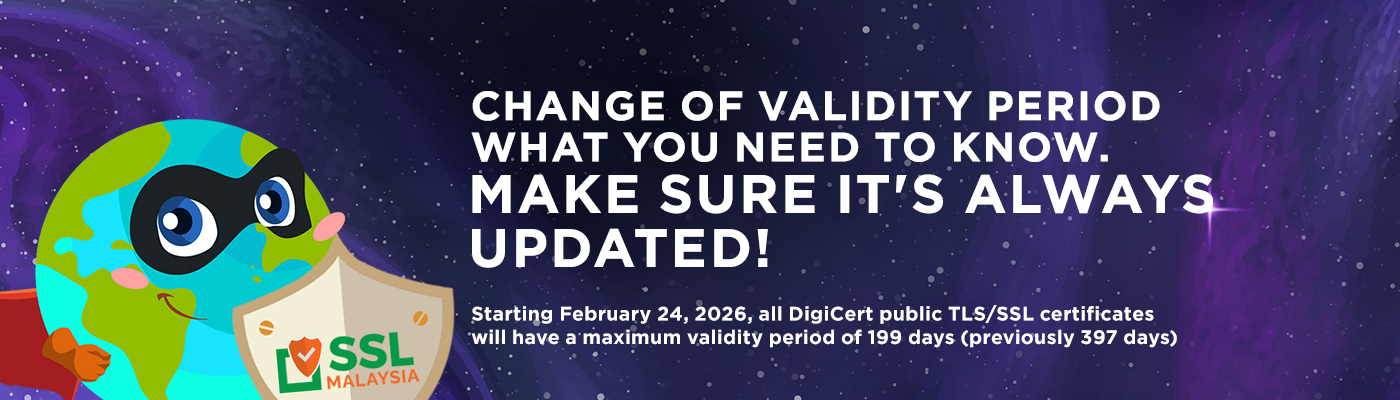
Obtaining a certificate is only the first step. You must also manage it correctly. SSL certificates have an expiration date, usually lasting around one year. If you forget to renew, your visitors will see a scary error message. This can destroy user trust instantly.
Regularly monitoring your certificate status is vital. Many modern providers offer automated renewal services. These tools ensure your site remains secure without manual intervention. Additionally, you should always use the latest version of the protocol, which is currently TLS 1.3. Older versions like SSL 2.0 or 3.0 are no longer considered secure.
Common Misconceptions About How SSL Certificates Work
Many people believe that SSL only matters for websites that handle credit cards. This is a dangerous myth. Every website benefits from encryption. Even a simple contact form can leak personal information if it is not protected. Hackers can use this data for phishing or identity theft.
Another misconception is that SSL makes a website slow. While encryption does require some processing power, modern hardware handles it easily. In fact, the latest protocols can actually make your website load faster through features like HTTP/2. Therefore, there is no performance-related reason to avoid security.
Conclusion: How SSL Certificates Work to Secure Your Future
In summary, how ssl certificates work is a blend of complex math and simple trust. By encrypting data and verifying identity, these certificates keep the internet a safer place for everyone. They protect your users, boost your SEO, and ensure you meet legal requirements.
As we have seen, the handshake process is a brilliant way to establish a secure link. Whether you are looking for SSL certificates UK options or global solutions, the core technology remains the same. Do not wait for a security breach to act. Secure your website today and build a foundation of trust with your audience. You will find that the benefits far outweigh the minimal cost and effort involved.